
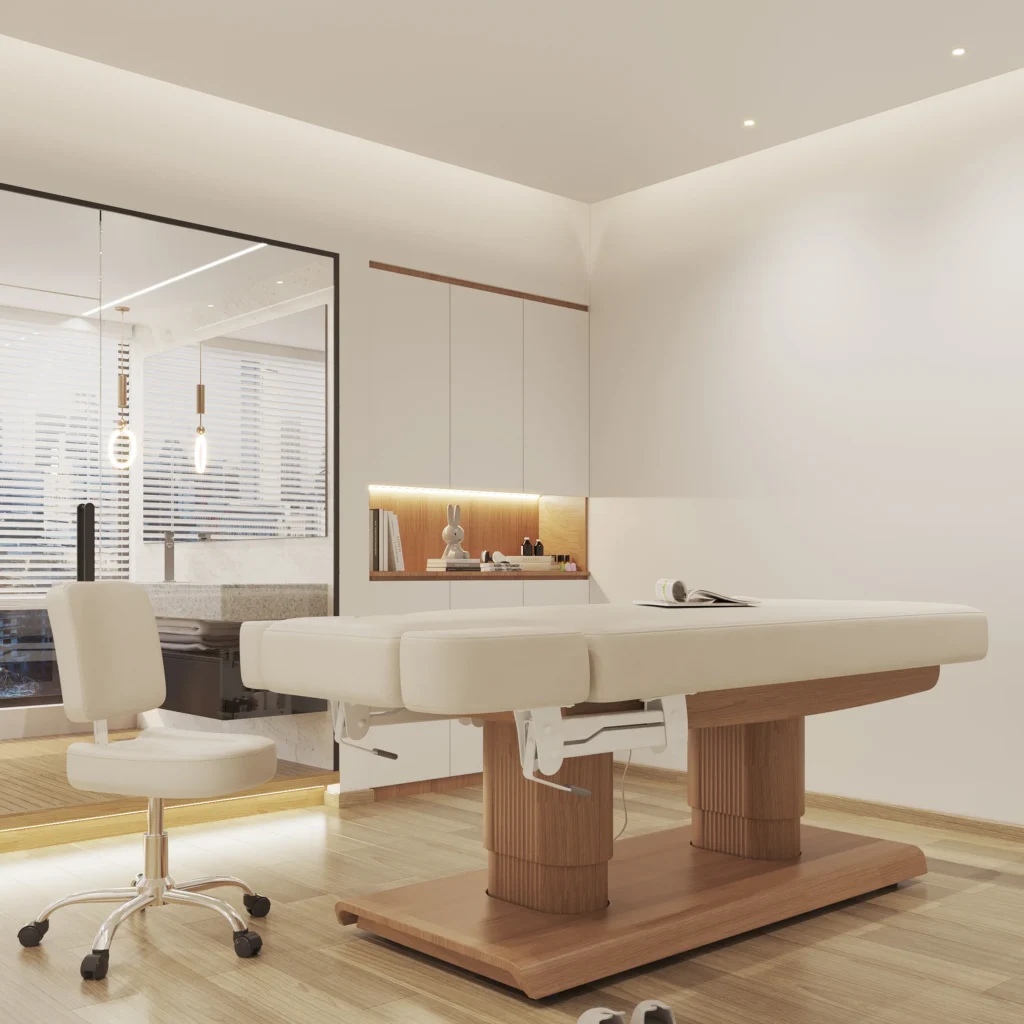
The barber chair is the centerpiece of any barbershop, serving as a functional tool for the professional and a place of relaxation for the client. Beyond mere furniture, these pieces represent foundational investments that directly influence service quality, brand identity, and the long-term health of the practitioner. Choosing the right equipment requires a balance between ergonomic necessity, aesthetic appeal, and structural durability. This guide explores the critical factors involved in selecting barber chairs and stools that provide a high return on investment.
Prioritizing Ergonomics and Client Comfort
The primary function of a barber chair is to facilitate a comfortable environment for the client while protecting the barber from physical strain. From a professional standpoint, ergonomics are vital for preventing repetitive strain injuries (RSI) and chronic fatigue. A high-quality chair must feature a reliable hydraulic pump system, which is the industry standard for smooth height adjustments. This allows the barber to position the client at the optimal level for precision work without unnecessary leaning or reaching.
For the client, comfort is often synonymous with the perceived value of the service. Chairs should offer ample padding—ideally high-density foam—and wider seats to accommodate a diverse range of body types. Features such as adjustable or removable headrests and sturdy footrests (such as T-bar or U-shaped designs) are essential for longer services like shaves or facials. Furthermore, a 360-degree swivel capability is necessary for maneuverability, while a smooth, locking recline mechanism ensures safety and stability during specialized treatments.
Durability and Build Quality
Given the high-frequency use in a commercial setting, durability is non-negotiable. The internal frame of a barber chair should be constructed from heavy-duty materials such as steel or cast iron. The weight capacity of a chair is a frequently underestimated specification; professionals are advised to select models that support between 350 and 500 lbs to ensure the safety of all clients and the longevity of the hydraulic system.
The choice of upholstery also dictates the chair’s lifespan. Commercial-grade PVC vinyl is highly recommended due to its resistance to stains and wear. Seamless designs are particularly advantageous, as they prevent hair and debris from becoming trapped in crevices, simplifying the cleaning process. Below the seat, the base—whether round, square, or star-shaped—must be heavy and stable, often finished in chrome or powder-coated steel to resist rust and corrosion in damp shop environments.
Selecting Ergonomic Barber Stools
While the chair is for the client, the stool is for the barber. Selecting a stool requires equal attention to ergonomic detail. A gas-lift mechanism for height adjustment is crucial, allowing the barber to transition between tasks effortlessly. Many professionals prefer stools with built-in back support and a foot ring to maintain proper posture during long shifts.
Mobility is another critical factor. Stools should be equipped with smooth-rolling, hair-resistant casters to prevent the build-up of debris that can seize wheels over time. A five-star base is the industry standard for providing maximum stability and preventing tipping. Like the main chair, the stool should be compact enough to maneuver in tight spaces while featuring high-density cushioning to reduce pressure during the workday.
Aesthetics and Brand Integration
The style of your equipment serves as a visual representation of your brand. When selecting chairs, consider how the design integrates with the shop’s overall decor—whether the theme is vintage, modern, industrial, or classic. Vintage-style chairs are currently trending for their craftsmanship and nostalgic appeal, though they may require more specialized maintenance than their modern counterparts.
Upholstery colors and finishes on armrests or bases (such as matte black or brushed metal) contribute significantly to the shop’s ambiance. While black and brown remain the most common choices for their professional look and ease of maintenance, custom colors can provide a unique statement that differentiates a shop from its competitors.
Investment Strategy and Maintenance
Investing in high-quality equipment is more cost-effective than opting for budget alternatives that require frequent replacement. Quality chairs and stools contribute to client loyalty and barber retention by creating a professional, comfortable workspace. When purchasing, it is essential to review manufacturer warranties, particularly regarding the hydraulic pump and structural components.
Potential buyers should explore specialty barber supply stores or attend trade shows where they can physically test the equipment. Sitting in the chair and operating the recline and swivel functions firsthand is the best way to assess comfort and functionality before making a final commitment.
Conclusion
Selecting the best barber chairs and stools is a multifaceted decision that impacts every aspect of a barbershop’s operations. By focusing on ergonomic support, heavy-duty build quality, and a design that complements your brand, you create a professional environment that justifies premium pricing and ensures long-term success. Prioritizing these foundational investments today will yield significant benefits in client satisfaction and practitioner health for years to come.